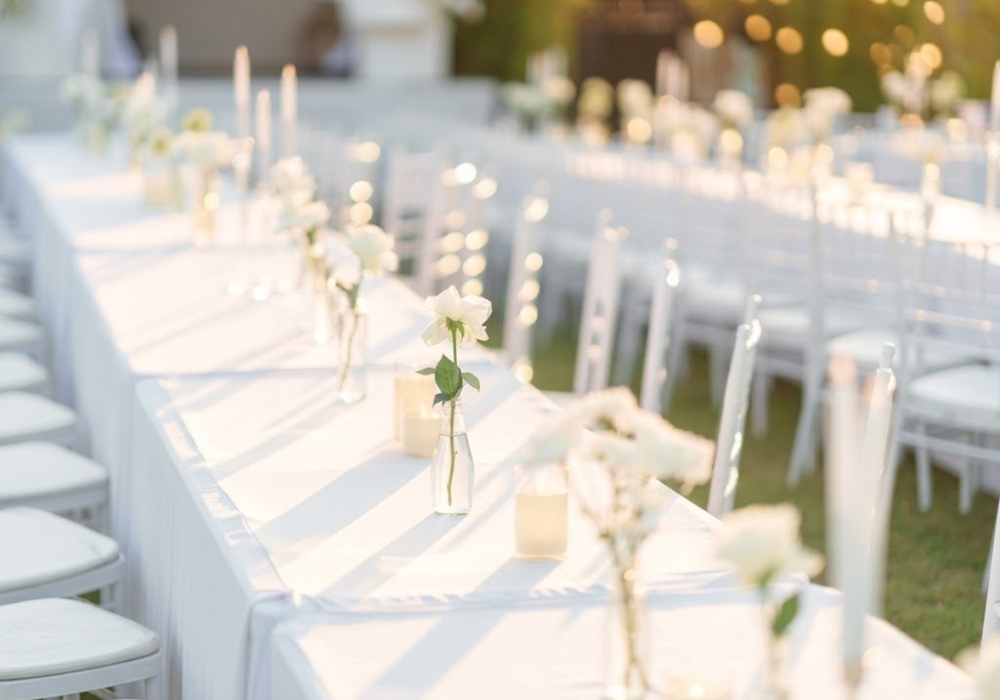
The Ultimate Planning Checklist
Wedding planning can be exciting, but it can also become stressful when decisions pile up. Couples must manage budgets, venues, guest lists, suppliers, decorations, and countless small details. Without a clear plan, important tasks may get missed, and expenses can quickly increase. However, a practical checklist makes the process easier to manage. It helps couples stay organised, protect their budget, and prepare for meaningful moments. With the right steps, they can learn how to organize a wedding day without losing sight of what matters most.
Wedding Planning Checklist: Where Every Couple Should Begin
A successful wedding begins with a clear plan rather than endless decisions. First, couples should discuss their priorities, available money, preferred date, and expected guest numbers. These choices influence nearly every decision that follows. For example, a large guest list may require a bigger venue and higher catering costs. Therefore, early planning helps couples understand their options before making expensive commitments. A written checklist also makes responsibilities easier to share and track.
Enjoy the Engagement Before Making Major Decisions
The engagement period gives couples time to celebrate their relationship before wedding preparations become demanding. Family members and friends may ask about dates, venues, and other arrangements. However, couples do not need to have every answer immediately. Instead, they can enjoy this milestone while discussing their hopes for the celebration. These early conversations help both partners understand each other’s expectations. As a result, planning can begin with shared excitement rather than unnecessary pressure.
Create a Wedding Planning Binder or Digital Folder
A dedicated planning folder keeps essential information in one accessible place. It can include supplier contacts, contracts, payment dates, guest details, inspiration pictures, and important questions. Couples can use a physical binder, a spreadsheet, or a digital document. Meanwhile, separate sections prevent receipts and notes from becoming difficult to find. Keeping everything organised also helps when plans change. Most importantly, both partners should know where the latest information is stored.
Build a Realistic Wedding Planning Timeline
A wedding planning timeline turns a large project into smaller, manageable tasks. First, couples should record the wedding date and work backwards from that deadline. Next, they can schedule venue bookings, supplier appointments, invitation deadlines, and final checks. Some popular venues and photographers require bookings well in advance. Therefore, these services deserve early attention. The timeline should remain flexible because availability, finances, and personal circumstances can change.
1. Set a Wedding Budget That Works for Both Partners
A realistic wedding budget provides the foundation for almost every planning decision. Before choosing decorations or viewing venues, couples should calculate how much they can comfortably spend. They should consider personal savings, agreed contributions, and any money they can save before the celebration. However, borrowing more than they can reasonably repay may create problems after the wedding. A thoughtful budget protects their future finances while allowing room for meaningful celebrations.
Calculate the Total Wedding Cost
The first step is to identify the maximum amount available for the entire event. Couples should discuss contributions openly and agree on who will pay each expense. Next, they should estimate the costs of the ceremony, reception, food, clothing, photography, and transportation. Other expenses may include stationery, gifts, entertainment, and accommodation. Therefore, a complete estimate is more useful than focusing only on the venue. The final amount should reflect what the couple can afford comfortably.
Divide the Budget Into Clear Categories
Once the total budget is established, couples can divide it into practical spending categories. A wedding budget spreadsheet helps record estimates, confirmed prices, deposits, and outstanding balances. Meanwhile, a wedding budget calculator can help compare different spending scenarios. Useful categories include the following:
- Venue hire and ceremony costs
- Food, drinks, and catering services
- Wedding dress, suits, and accessories
- Photography and videography
- Flowers and wedding decorations
- Invitations and wedding stationery
- Transportation and accommodation
- Entertainment and additional suppliers
- Wedding gifts and honeymoon expenses
- Emergency savings for unexpected costs
However, the amounts assigned to each category should reflect the couple’s priorities. If photography matters greatly, they may allocate more money to that service. Conversely, couples who prefer simple decorations can reduce spending in that area. They should also reserve a contingency fund for unexpected expenses. This extra money can help cover last-minute changes without disrupting the entire budget.
Track Payments and Avoid Common Budget Mistakes
A budget only works when couples update it regularly. Every booking should include the agreed price, deposit, payment deadline, and remaining balance. In addition, written contracts can clarify cancellation terms and other important conditions. Couples should compare supplier packages carefully instead of choosing the cheapest option automatically. Hidden charges, delivery fees, and additional services can increase the final bill. Consequently, careful recordkeeping helps prevent unpleasant financial surprises.
2. Decide What Matters Most on the Wedding Day
Every couple has different ideas about their ideal celebration. Some prefer a small gathering with close family, while others want a lively event with many guests. Similarly, some value beautiful photographs, while others prioritise food, music, or a memorable location. Therefore, partners should identify their shared priorities before making detailed arrangements. These choices provide direction and make difficult decisions easier when the budget or schedule becomes tight.
Create a Wedding Vision Together
A wedding vision describes the atmosphere, style, and experience the couple hopes to create. They might imagine a romantic garden ceremony, an elegant indoor reception, or a relaxed countryside celebration. Pinterest and bridal magazines can provide visual inspiration. However, inspiration should guide decisions rather than create pressure to copy expensive ideas. Couples can collect photographs, colours, and decoration examples in one folder. This approach helps turn broad ideas into a practical and consistent plan.
Choose the Guest List Early
Guest numbers affect venue capacity, catering, stationery, seating, and transportation. Therefore, couples should prepare an initial guest list before making major bookings. They can separate essential guests from additional invitations if space or money becomes limited. Family expectations may influence the list, but both partners should agree on the final approach. Once the approximate number is clear, suppliers can provide more accurate estimates. This also reduces the chance of choosing a venue that cannot accommodate everyone comfortably.
Establish Shared Priorities and Responsibilities
Wedding planning becomes easier when both partners understand their responsibilities. One person might manage supplier communication, while the other handles guest information and stationery. However, major decisions should remain shared when they affect the budget or overall experience. A simple task list can identify each responsibility, its deadline, and its current status. Consequently, neither partner needs to remember every detail alone. Regular planning conversations also help resolve disagreements before they become stressful.
3. Choose a Wedding Theme and Colour Scheme
A consistent theme helps connect the ceremony, reception, flowers, stationery, and decorations. First, couples should consider the location, season, personal taste, and overall budget. They can then select a style that feels natural rather than following every passing trend. Popular options include rustic, romantic, vintage, elegant, and festival-inspired weddings. Meanwhile, the venue itself may influence which colours and decorations look best. A clear theme keeps the celebration visually connected without requiring expensive details.
Select Colours That Work Together
A wedding colour palette helps guide decisions about flowers, bridesmaid dresses, table decorations, and stationery. Couples might choose soft pastels, classic neutrals, or richer seasonal colours. For example, pale blue can pair well with ivory and grey, while lavender complements green and cream. Pastel pink can create a romantic atmosphere alongside peach or subtle blue accents. Silver and grey can also suit elegant celebrations. However, couples should choose colours they genuinely enjoy rather than following trends alone.
Collect Decoration and Styling Ideas
A wedding planning binder can store colour swatches, photographs, fabric samples, and decoration ideas. Couples can organise these references into sections for the ceremony, reception, flowers, and table settings. Next, they should compare each idea with the venue and available budget. Some venues already have attractive features that require very little decoration. Therefore, a few carefully selected details may create more impact than numerous unrelated accessories. The goal is a coordinated celebration that feels personal.
Match the Theme to the Venue
A countryside barn may suit natural foliage, warm colours, and rustic decorations. Meanwhile, a beachside ceremony might work well with lighter fabrics and simple floral arrangements. A formal indoor venue may call for more structured table settings and elegant stationery. However, the theme should also reflect the couple’s personality. They should consider weather, accessibility, lighting, and practical restrictions before choosing decorations. This ensures the design remains attractive while meeting the venue’s requirements.
4. Find and Book the Perfect Wedding Venue
The venue influences the wedding date, guest capacity, ceremony style, catering options, and overall atmosphere. Therefore, couples should research suitable locations before committing to other major services. They should first decide whether they prefer a religious ceremony, civil ceremony, outdoor celebration, or destination wedding. Next, they can compare venues that match their expected guest numbers and budget. Visiting shortlisted locations provides a clearer picture than photographs alone.
Compare Venue Costs and Facilities
Venue prices can vary according to location, date, facilities, and included services. Couples should ask what the booking fee covers before comparing different offers. Some venues include furniture, tables, chairs, lighting, or catering facilities. Others charge separately for these services. In addition, they should check parking, guest accommodation, accessibility, and restrictions on decorations. Pet-friendly policies may also matter to couples bringing animals. A written comparison helps identify the most suitable option.
Prepare Questions Before Viewing a Venue
A venue visit gives couples an opportunity to inspect the space and discuss practical arrangements. They should ask about available dates, booking conditions, payment schedules, cancellation policies, and setup times. It is also useful to confirm the maximum guest capacity and available indoor alternatives. For outdoor celebrations, weather arrangements deserve particular attention. Furthermore, couples should check whether outside caterers and decorators are permitted. These questions help prevent misunderstandings after signing a contract.
Confirm the Date and Booking Details
Once a suitable venue has been selected, couples should review the contract carefully. The agreement should identify the wedding date, payment deadlines, included services, and cancellation conditions. They should also confirm the access times for suppliers and the schedule for clearing decorations. After the booking is confirmed, the date can guide the remaining planning timeline. Consequently, couples can approach photographers, caterers, and other suppliers with clearer information.
5. Organise the Wedding Guest List and Invitations
Guest communication keeps family members and friends informed about the celebration. Once the date and venue are confirmed, couples can prepare their invitations and decide how guests will respond. They should allow enough time for people to make travel arrangements, especially for destination weddings. Meanwhile, an accurate guest list helps suppliers plan food, seating, and accommodation. Keeping invitation records updated also reduces confusion as responses arrive.
Prepare Save-the-Date Cards and Invitations
Save-the-date cards give guests early notice of the wedding date. Formal invitations provide more details, including the venue, ceremony time, reception information, and response deadline. Couples can choose printed designs, digital invitations, or a combination of both. However, the invitation style should match the formality and theme of the event. Before sending anything, they should check names, dates, addresses, and other essential details carefully.
Track RSVPs and Confirm Guest Numbers
RSVP tracking helps couples understand who plans to attend. They can use a spreadsheet with guest names, response status, dietary requirements, and contact details. Next, they should follow up politely with guests who have not responded by the deadline. Final numbers should be shared with the venue and caterer according to their requirements. In addition, couples should prepare a seating plan once attendance becomes clearer. This makes reception arrangements easier to manage.
Plan Guest Accommodation and Transportation
Guests may need extra support when the wedding takes place far from home. Couples should share useful accommodation information and explain available transportation options. For larger celebrations, they might arrange transport between the ceremony and reception venues. However, these arrangements should fit the budget and the guests’ practical needs. Clear instructions about parking, arrival times, and travel routes can reduce confusion. Consequently, guests can focus on enjoying the celebration rather than managing unexpected travel problems.
6. Book Wedding Photographers and Other Suppliers
Reliable suppliers help bring the couple’s plans to life. After confirming the venue and date, couples can identify the services they need most. Photographers, videographers, caterers, florists, and entertainment providers may have limited availability. Therefore, early enquiries are useful, particularly for popular dates. Couples should compare portfolios, package details, reviews, contracts, and communication styles. The best choice is a professional whose work and services match their expectations and budget.
Choose a Photographer and Videographer
Wedding photographs preserve important moments, from the ceremony to the reception. Couples should review complete portfolios instead of judging a photographer by one impressive image. They should also discuss the preferred photography style, coverage hours, delivery timeline, and final package. If video matters to them, they can compare videography services separately. In addition, they should confirm who will attend and what happens if the booked professional becomes unavailable. A written agreement helps clarify expectations.
Arrange Flowers and Wedding Decorations
Flowers can shape the look of the ceremony and reception. Popular choices include bridal bouquets, floral crowns, ceremony arrangements, arches, and table centrepieces. However, flower availability and prices may change with the season. Couples should discuss their preferred colours, budget, and alternatives with a florist early. They can also consider greenery or locally available flowers to control costs. Finally, the florist should receive clear delivery instructions and setup times.
Confirm Catering, Entertainment, and Other Services
Food and entertainment strongly influence the guest experience. Couples should discuss menus, dietary requirements, serving arrangements, and the number of guests with their caterer. They should also confirm music, sound equipment, performance times, and venue restrictions. Other services may include hair and makeup, stationery, lighting, and decoration setup. Therefore, a supplier checklist helps keep every booking visible. Each supplier should know the schedule, location, contact person, and relevant setup requirements.
Choose Transportation for the Couple and Guests
Wedding transportation can reflect the celebration’s style while solving practical travel needs. Some couples prefer classic cars, while others choose modern vehicles or distinctive transport. A horse-drawn carriage may suit certain venues, while a bus can help guests travel between locations. However, couples should consider travel distance, parking, accessibility, and timing before booking. They should also confirm pickup locations, passenger numbers, and backup arrangements. Clear transport plans help the wedding schedule run smoothly.
7. Create the Wedding Day Schedule
A realistic schedule helps everyone understand what should happen and when. Couples should coordinate the ceremony, photographs, reception, meal service, speeches, and entertainment. They should also include time for travel, setup, and unexpected delays. However, the schedule should not be so packed that every small change causes problems. A little flexibility makes the day more comfortable. Sharing the final timeline with suppliers and key helpers helps everyone work towards the same plan.
Organise the Morning Preparations
The wedding morning may include hair, makeup, dressing, photographs, and travel to the ceremony. Couples should confirm appointment times and identify who needs to be ready first. They should also prepare clothing, accessories, rings, documents, and other essential items beforehand. In addition, water and simple snacks can help everyone maintain their energy. A trusted helper can keep track of time and handle small questions. These preparations allow the couple to focus on the occasion.
Coordinate the Ceremony and Reception
The ceremony schedule should account for guest arrival, seating, the wedding party, and the planned start time. Afterward, the couple may need time for photographs and travel to the reception. Meanwhile, the venue team and caterer should know when guests will arrive and when food should be served. Speeches, entertainment, and special traditions also need suitable time slots. Clear coordination reduces unnecessary waiting and helps the celebration feel natural.
Share the Schedule With Everyone Who Needs It
The couple, venue coordinator, photographer, caterer, and other key suppliers should receive the latest schedule. Important helpers should know whom to contact if a problem occurs. Couples should also identify someone who can answer routine questions during the event. As a result, the couple will not need to manage every small issue themselves. A printed copy or accessible digital version can help everyone stay informed throughout the day.
8. Complete the Final Wedding Planning Checklist
As the wedding approaches, the focus should shift from creating ideas to confirming arrangements. Couples should contact the venue and suppliers to verify dates, arrival times, services, and final guest numbers. They should also check payment deadlines and outstanding balances. Meanwhile, the final decoration plan should match what has been agreed with the venue. These checks help identify problems while there is still time to resolve them.
Prepare an Emergency Wedding Kit
A small emergency kit can help with minor problems during the celebration. Useful items may include safety pins, bobby pins, tissues, plasters, and basic clothing repair supplies. Couples can also include spare phone chargers and copies of essential contact information. However, the kit should remain simple and suited to the day’s needs. A trusted helper can keep it accessible. This preparation offers reassurance without requiring the couple to carry everything themselves.
Confirm Final Details With Suppliers
A final supplier review should cover delivery times, setup requirements, contact details, and outstanding payments. Couples should reconfirm the venue arrangements and communicate any important changes. They should also verify the guest count and catering requirements within the agreed deadlines. If transport is involved, pickup times and locations should be checked again. Therefore, a single final checklist can help prevent repeated calls and forgotten tasks.
Leave Time to Relax and Enjoy the Celebration
Wedding planning should support the celebration rather than consume every moment. Couples can reduce pressure by delegating small tasks to reliable friends, family members, or a coordinator. They should also make time to eat, drink water, and enjoy meaningful moments together. Finally, they should accept that minor changes may happen despite careful preparation. A flexible attitude helps them focus on the experience instead of pursuing perfection.
How to Organize a Wedding Day Without Feeling Overwhelmed
The most useful approach combines early decisions, realistic spending, clear communication, and a practical schedule. Couples do not need to complete every task at once. Instead, they can work through one stage before moving to the next. First, they should confirm their priorities and budget. Next, they can book the venue, organise guests, and secure important suppliers. Finally, they can review the schedule and complete the last checks.
To understand how to organize a wedding day successfully, couples should keep their plans accessible and share responsibilities. A checklist, budget spreadsheet, and supplier contact sheet can support this process. Regular updates also help both partners see what remains unfinished. Most importantly, the celebration should reflect their relationship and shared preferences. Thoughtful preparation creates space for genuine enjoyment, even when a few unexpected changes occur.
Frequently Asked Questions
How to organize a wedding step by step?
Start by setting your budget, choosing a wedding date, and preparing your guest list. Next, book your venue, hire suppliers, and plan the decorations. Send invitations, create a wedding-day schedule, and confirm all arrangements before the celebration.
What are the 7 steps of marriage?
The seven common steps of wedding planning are setting a budget, choosing a date, creating a guest list, booking a venue, hiring suppliers, planning the ceremony, and organizing the reception. The exact steps may differ depending on cultural traditions and personal preferences.
How to structure your wedding day?
Start with getting ready, followed by the ceremony and photographs. Next, allow time for guests to arrive at the reception, enjoy the meal, and listen to speeches. Finish with special moments such as cake cutting, dancing, and the final send-off. Adjust the order to suit your plans.
What is the correct order for a wedding?
A typical wedding day begins with preparation and guest arrival. The ceremony usually comes next, followed by photographs and the reception. The reception may include drinks, dinner, speeches, cake cutting, and dancing. There is no single correct order, so choose a sequence that fits your traditions and schedule.
Conclusion: Make the Wedding Day Personal and Memorable
A well-organised wedding does not require an unlimited budget or complicated arrangements. It requires clear priorities, realistic planning, and attention to the details that matter most. From setting the budget to confirming suppliers, each step helps build a more manageable celebration. Therefore, couples should start with a checklist and update it as decisions are made. They can then focus on creating meaningful memories with the people they love.
Ready to begin? Create a wedding planning checklist today, agree on the budget, and choose the first three tasks to complete. With a clear plan and shared responsibilities, the journey towards the big day can feel much more enjoyable.